
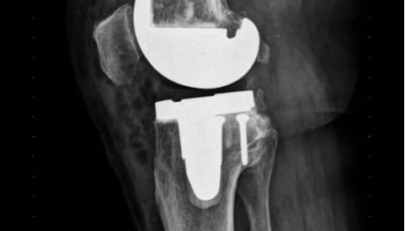
Knee Stiffness and Limited Mobility After Knee Replacement Surgery
Knee Stiffness and Limited Mobility After Knee Replacement Surgery In general, knee replacement surgery has a high success rate, and with the right technique, proper sizing, and selection of the appropriate prosthesis, complications can be minimized. However, a small percentage of patients who undergo total knee replacement may experience short-term or long-term complications. Knee Replacement […]
Knee Stiffness and Limited Mobility After Knee Replacement Surgery
In general, knee replacement surgery has a high success rate, and with the right technique, proper sizing, and selection of the appropriate prosthesis, complications can be minimized. However, a small percentage of patients who undergo total knee replacement may experience short-term or long-term complications.
Knee Replacement Surgery
Common side effects after knee replacement surgery include swelling, pain, bruising, and tenderness. Additionally, some patients may experience knee stiffness and limited mobility, clicking sounds in the knee, potential infection, blood clot formation, complications related to the artificial joint (such as looseness or implant fracture), nerve damage, and in rare cases, allergic reactions to the metal components of the implant. Below, we will discuss knee stiffness as a complication of knee replacement surgery.
Knee Stiffness After Knee Replacement Surgery
Knee stiffness is one of the most common complications after knee replacement surgery. This condition occurs when scar tissue forms inside the knee following surgery, limiting the joint’s range of motion. As a result, patients may struggle to fully straighten or bend their knee.
This stiffness is usually temporary and may last for several weeks or months before gradually improving. Over time, patients typically regain their ability to perform daily activities such as climbing stairs and walking without assistance. The more the patient engages in daily movement and exercises, the faster the stiffness will subside. However, if knee stiffness persists for several months after surgery, it is important to inform the surgeon for further treatment.
Factors That Increase the Risk of Knee Stiffness After Surgery
- Post-surgical pain may hinder efforts to improve the range of motion in the newly replaced joint. If a patient does not adhere to rehabilitation guidelines or avoids physiotherapy and exercises due to pain, knee mobility may become more restricted.
- A history of previous knee surgery increases the likelihood of post-operative stiffness and limited movement.
- Pre-existing knee mobility limitations can affect recovery. Patients with restricted knee movement before surgery often require more extensive rehabilitation after the procedure.
- Improper implant positioning may lead to pain, stiffness, and limited knee mobility.
- Arthrofibrosis, a condition in which excessive scar tissue forms, can cause painful knee movement. Arthrofibrosis affects approximately 3% to 10% of patients undergoing knee replacement surgery.
- Swelling is a common post-surgical complication. Fluid accumulation around the surgical site can restrict joint movement, leading to stiffness and limited knee mobility.
When Should You See a Doctor?
Knee stiffness is a common short-term complication after knee replacement surgery and typically improves within three months. However, if a patient continues to experience significant movement restrictions or severe pain during daily activities long after surgery, they should consult their doctor for further evaluation and treatment.


