
The Importance of Timely Treatment for Meniscus Tears
The Importance of Timely Treatment for Meniscus Tears A meniscus tear in the knee can occur in various shapes and sizes and at any age. In younger individuals, meniscus tears usually result from sudden foot rotation, lifting heavy objects, engaging in high-impact sports with repetitive twisting motions, or direct trauma. This condition often occurs in […]
The Importance of Timely Treatment for Meniscus Tears
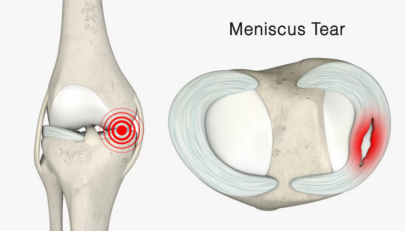
A meniscus tear in the knee can occur in various shapes and sizes and at any age.
In younger individuals, meniscus tears usually result from sudden foot rotation, lifting heavy objects, engaging in high-impact sports with repetitive twisting motions, or direct trauma. This condition often occurs in individuals with knee instability, such as ligament tears or weakness in the surrounding muscles.
In older individuals, meniscus tears typically result from cartilage degeneration (wear and tear) as they age.
Generally, meniscus tears are classified into five types: flap, radial, transverse, longitudinal, and degenerative. Each type has its own causes and specific treatment methods.
The Importance of Timely Treatment for Meniscus Tears
The meniscus is divided into two parts based on blood supply: the outer and inner regions. The central areas lack blood vessels, while the outer edge of the meniscus receives blood supply, allowing it to have some healing potential when injured. However, this does not mean that every meniscus tear occurring in the outer region will heal on its own.
It is important to note that a meniscus tear, even if located in the outer region, will not heal by itself and requires proper treatment.
Complications of Untreated Meniscus Tears
If you experience symptoms of a meniscus tear, it is recommended to consult a specialist for timely treatment. Early intervention can help prevent complications associated with meniscus tears.
Failure to treat a meniscus tear promptly can affect knee function, leading to symptoms such as knee locking, a sensation of instability or giving way, and occasional swelling. If left untreated, a meniscus tear can restrict daily activities and participation in sports.
Additionally, movement and physical activity with a torn meniscus may cause cartilage fragments to shift into the joint, leading to further damage in other compartments of the knee. This may eventually require surgical intervention.
Furthermore, untreated and improperly managed meniscus tears can result in more severe injuries and irreversible complications, such as the accelerated onset of osteoarthritis.
Treatment Options for Meniscus Tears
Depending on the type and severity of the injury, as well as the patient’s age, different treatment approaches may be recommended for managing meniscus tear symptoms. To speed up recovery, the following methods are often suggested:
- Taking anti-inflammatory medications, resting, and applying ice packs in acute meniscus tear cases to reduce swelling and inflammation.
- Modifying activities and avoiding movements that worsen symptoms, which largely depends on the severity, type, and size of the tear, as well as patient demands.
- Performing stretching and strengthening exercises to support the muscles around the knee, which helps reduce pressure on the joint.
- Using medical knee braces, supports, or crutches as recommended by a doctor to stabilize the joint.
Surgical intervention is only recommended for severe meniscus tears that significantly impact daily life.


